
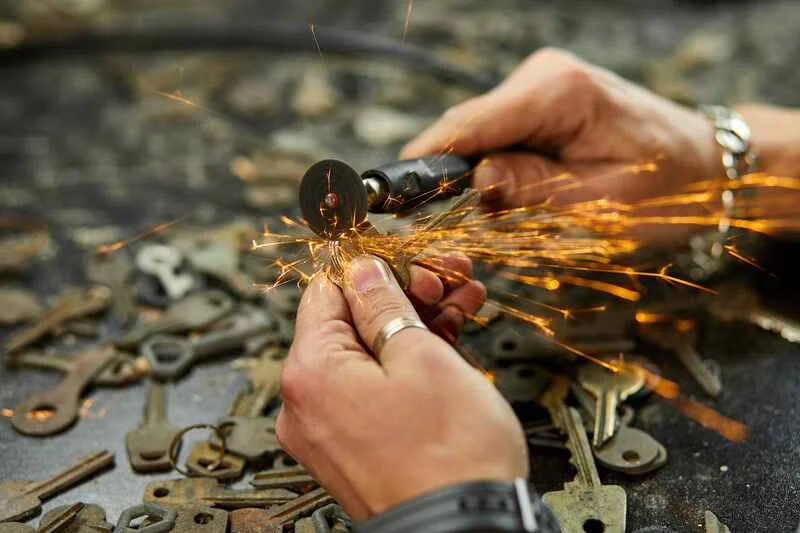
Closing on a new home is a whirlwind. Between the mountains of paperwork, the stress of packing, and the excitement of planning your new living room layout, security often takes a backseat. You get the keys at the closing table, drive to your new front door, unlock it, and feel a sense of ownership. But pause for a moment and look at that key. Do you know who else has a copy?
The reality of buying a previously owned home—whether it’s a historic colonial or a modern condo—is that you are inheriting the security habits of the previous owner. Did they give a spare to a dog walker? A contractor? A neighbor? A cleaning service? You have no way of knowing. This is why establishing a fresh “chain of custody” for your home is the single most critical step in protecting your new investment.
Rekeying vs. Replacing: The Cost-Effective Solution
Many new homeowners assume that to secure their home, they must go to the hardware store and buy brand new locksets for every door. If you have expensive or decorative hardware that matches the aesthetic of your home, replacing it can cost hundreds of dollars.
The smarter, more cost-effective alternative is rekeying. This process allows a professional locksmith to change the internal mechanism of your existing locks so that the old keys no longer work. We remove the cylinder, discard the old pins, and insert new pins that match a completely new key. It provides the exact same security benefit as installing new locks but at a fraction of the cost. Real estate resources like Moving.com consistently list changing locks or rekeying as a top-three priority for new homeowners, right alongside setting up utilities.
Understanding Deadbolt Quality: Not All Locks Are Equal
If you do decide to upgrade your hardware, it’s important to know that not all deadbolts are created equal. The shiny lock in the blister pack at the big-box store might look secure, but the internal components tell a different story.
Locks are rated by the American National Standards Institute (ANSI).
- Grade 3: Standard residential quality (often found in big-box stores). These can often be kicked in or picked relatively easily.
- Grade 2: Light commercial/Heavy-duty residential. Stronger metal alloys and better resistance to physical attack.
- Grade 1: The highest standard. Commercial grade security designed to withstand sledgehammer attacks and millions of uses.
For exterior doors, we strongly recommend Grade 1 or Grade 2 hardware. Organizations like the Builders Hardware Manufacturers Association (BHMA) publish these standards to help consumers make informed decisions. Installing a high-grade deadbolt—and ensuring the strike plate is anchored to the structural studs of the house, not just the trim—is the most effective deterrent against forced entry.
One Key Convenience
Another benefit of calling a professional locksmith when you move in is “keying alike.” It is frustrating to have one key for the front door, a different key for the back door, and a third for the garage. During the rekeying process, we can configure all your locks (provided they are the same brand) to work with a single key. It’s a small quality-of-life upgrade that simplifies your daily routine significantly.
Your Norfolk County Experts for Residential Locksmith Services
Your home is your sanctuary, and you should be the only one with access to it. Whether you need to rekey your new property or upgrade your deadbolts to high-security hardware, we bring the expertise to your doorstep. Trust Ozzy’s Locksmith to secure your family and your future. Explore our full Residential Locksmith Services or schedule a security update via our Contact Us page.